
The Best Time to Perform Umrah: Seasons, Crowds, and Weather Considerations
Share Topic Via


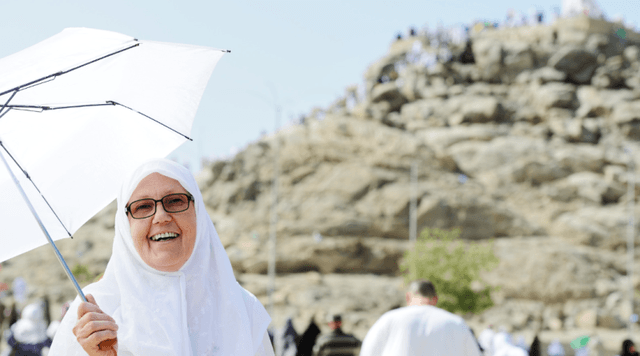
Umrah is a profound spiritual journey that Muslims around the world long to undertake. Unlike Hajj, which has specific dates, Umrah can be performed at any time of the year. However, choosing the right time for Umrah can greatly impact the experience, as factors such as crowd levels, weather conditions, and personal convenience play a crucial role. This article explores the best seasons to perform Umrah, analyzing the benefits and challenges of each period.
1. Understanding the Best Time for Umrah
Since Umrah is not restricted to a specific time, pilgrims can plan their journey based on various factors such as:
- Crowd levels – How busy is Makkah during different months?
- Weather conditions – Is it too hot or comfortable for travel?
- Spiritual seasons – Does performing Umrah in Ramadan bring more rewards?
- Financial considerations – Are flight and accommodation costs higher during peak seasons?
2. The Best Seasons for Umrah
2.1. Umrah During Ramadan – The Most Spiritually Rewarding Time
Ramadan is one of the most significant months in the Islamic calendar, and performing Umrah during this sacred month holds immense rewards.
" Ibn 'Abbas (May Allah be pleased with them) reported:
The Prophet (ﷺ) said, "(The performance of) 'Umrah during Ramadan is equal to Hajj (pilgrimage)." Or said, "Equal to the performance of Hajj with me.
" (Bukhari & Muslim)
Advantages:
✅ The spiritual atmosphere is unparalleled, with increased prayers and Quran recitation.
✅ Performing Umrah in Ramadan carries the reward of Hajj (though it does not replace it).
✅ Night prayers, including Taraweeh and Qiyam-ul-Layl, elevate the experience.
Challenges:
❌ It is one of the busiest times, leading to overcrowding.
❌ Accommodation and flight costs are significantly higher.
❌ Long fasting hours may make the journey physically demanding.
2.2. Umrah During Off-Peak Months – A Comfortable Experience
The best time for those seeking a peaceful experience is during the Islamic months of Safar, Rabi‘ Al-Awwal, Rabi‘ Al-Thani, and Sha‘ban.
Advantages:
✅ Fewer crowds, allowing a more intimate and peaceful experience at the Haram.
✅ Cheaper flights and accommodation.
✅ Comfortable weather, depending on the month chosen.
Challenges:
❌ The spiritual atmosphere may not be as intense as during Ramadan or Dhul Hijjah.
❌ Some services in Makkah and Madinah may operate on a reduced scale due to lower demand.
2.3. Umrah During School Holidays – Ideal for Families
Many Muslims prefer to perform Umrah during winter or summer school holidays so that their children can join them.
Advantages:
✅ Easier travel for families without disrupting school schedules.
✅ Winter holidays provide cooler weather and a comfortable experience.
Challenges:
❌ School holidays often coincide with peak seasons, leading to higher costs.
❌ Summer in Saudi Arabia can be extremely hot, making outdoor rituals like Tawaf and Sa’i more physically challenging.
3. Weather Considerations for Umrah
Saudi Arabia has a desert climate, meaning that summers are extremely hot while winters are mild.
3.1. Summer (May – September)
🔥 Temperature: Can exceed 45°C (113°F).
💡 Advice:
- Stay hydrated and avoid direct sunlight.
- Perform Tawaf and Sa’i during cooler times (after Fajr or late at night).
3.2. Winter (November – February)
🌡 Temperature: Ranges from 15°C to 25°C (59°F to 77°F) – ideal for travel.
💡 Advice:
- Carry a light jacket, as early mornings and nights can be chilly.
- Enjoy a more comfortable Umrah experience with pleasant temperatures.
4. Crowd Levels and Travel Costs
4.1. Peak Seasons (High Crowds and Expensive Travel)
- Ramadan (especially the last 10 days)
- December holidays
- Dhul Hijjah (Hajj season)
4.2. Off-Peak Seasons (Less Crowded and Budget-Friendly)
- Mid-January to mid-March
- September to early November
5. Choosing the Best Time for You
When planning your Umrah, consider the following:
✔ Spiritual Goals – Do you want the maximum reward (Ramadan) or a peaceful experience (off-peak months)?
✔ Physical Condition – Can you handle extreme heat, or do you prefer cooler months?
✔ Budget – Are you flexible with costs, or do you prefer a cost-effective trip?
✔ Family Needs – Are you traveling with children or elderly family members?
Conclusion
The best time to perform Umrah depends on your personal preferences, spiritual aspirations, and practical considerations. While Ramadan offers unmatched rewards, off-peak seasons provide comfort and tranquility. Planning wisely can ensure a meaningful and stress-free Umrah experience.
May Allah grant all Muslims the opportunity to perform Umrah and accept their efforts. Ameen.
Share Topic Via
