
Umrah Through the Eyes of the Prophet ﷺ: How the Prophet Performed It
Share Topic Via


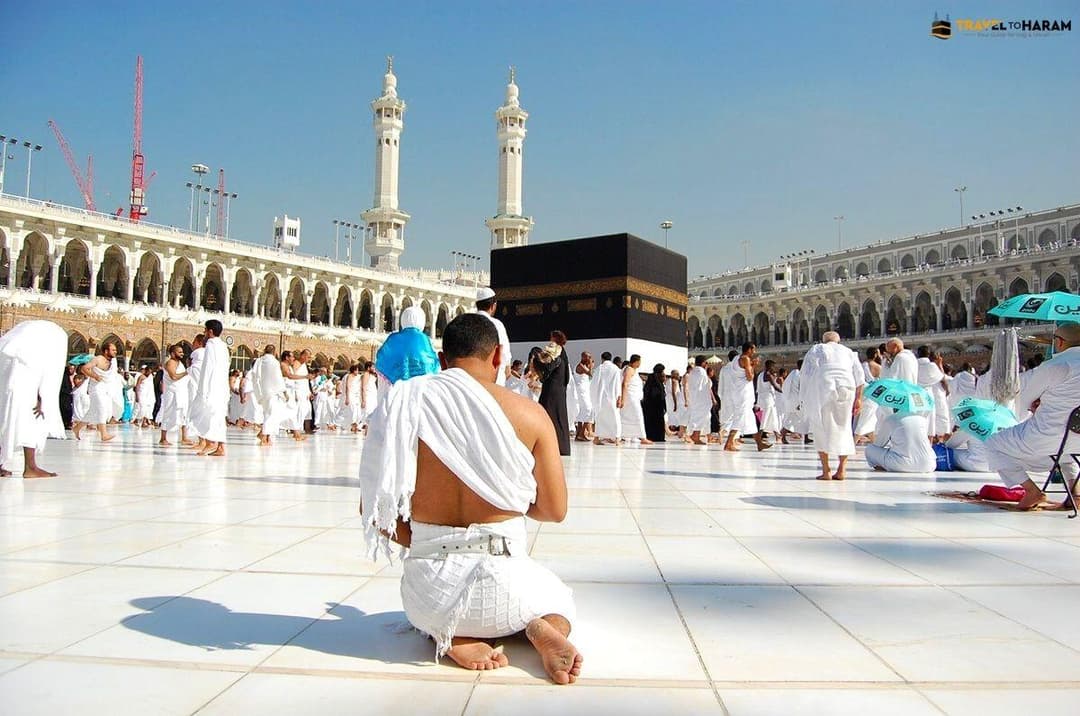
Umrah holds a special place in Islam, offering believers an opportunity for spiritual purification and closeness to Allah. While Umrah is not obligatory like Hajj, it remains a highly recommended act of worship. The best way to perform Umrah is by following the Sunnah—the practice of Prophet Muhammad ﷺ.
In this article, we will explore how the Prophet ﷺ performed Umrah, detailing each step from his intention (niyyah) to his completion of the rituals.
1. The Prophet’s ﷺ Umrah Journeys
The Prophet Muhammad ﷺ performed four Umrahs during his lifetime:
- Umrat al-Hudaybiyyah (6 AH) – Though he was prevented from entering Makkah, it led to the Treaty of Hudaybiyyah.
- Umrah al-Qada (7 AH) – He returned to perform the Umrah he had been prevented from completing.
- Umrah with the Conquest of Makkah (8 AH) – Following the peaceful conquest of Makkah.
- Umrah during Hajj (10 AH) – As part of his Farewell Hajj (Hajjat al-Wada‘).
These Umrahs provided the foundation for how believers perform Umrah today.
2. How the Prophet ﷺ Performed Umrah: Step-by-Step Guide
2.1. Ihram: Entering the State of Purity
- The Prophet ﷺ began his Umrah by entering Ihram at the Miqat (boundary for pilgrimage).
- He would bathe (ghusl), apply perfume, and wear the two white garments of Ihram.
- He then prayed two rak‘ahs before making his intention:
📖 Niyyah (Intention) for Umrah:
"Labbayka Allahumma Umrah" (O Allah, I respond to Your call for Umrah).
- After this, he recited Talbiyah:
📖 Talbiyah:
"Labbayka Allahumma labbayk, labbayka la sharika laka labbayk, inna al-hamda wa’n-ni‘mata laka wa’l-mulk, la sharika lak."
(Here I am, O Allah, here I am. Here I am, You have no partner, here I am. Surely all praise, grace, and dominion belong to You. You have no partner.)
2.2. Entering Makkah and the Sacred Mosque
- Upon reaching Makkah, the Prophet ﷺ entered Masjid al-Haram with humility and recited:
📖 "Allahumma aftah li abwaba rahmatik."
(O Allah, open for me the doors of Your mercy.)
- He then proceeded to the Kaaba to begin Tawaf.
2.3. Tawaf: Circling the Kaaba
- The Prophet ﷺ started Tawaf from the Black Stone (Hajar al-Aswad), which he touched and kissed. If he could not kiss it, he would touch it with his hand or staff and then kiss the object he touched it with.
- He performed seven circuits (Shawt) around the Kaaba, keeping the Kaaba on his left.
- During the first three rounds, he performed Ramal (a brisk walk).
- He recited duas and praises of Allah throughout Tawaf.
📖 Dua at the Yemeni Corner (Rukn al-Yamani) and the Black Stone:
"Rabbana atina fid-dunya hasanatan wa fil-akhirati hasanatan wa qina ‘adhab an-nar."
(Our Lord, give us good in this world and good in the Hereafter, and save us from the punishment of the Fire.)
- After completing Tawaf, he prayed two rak‘ahs behind Maqam Ibrahim (the Station of Ibrahim) and recited:
📖 "Wattakhidhu min Maqami Ibrahima musalla."
(And take the standing place of Ibrahim as a place of prayer.) [Surah Al-Baqarah 2:125]
2.4. Sa’i: Walking Between Safa and Marwah
- The Prophet ﷺ then went to Safa and recited:
📖 "Inna as-Safa wa al-Marwata min sha’a’iri Allah."
(Indeed, Safa and Marwah are among the symbols of Allah.) [Surah Al-Baqarah 2:158]
- He walked between Safa and Marwah seven times, running in the green-lit area (Mas‘a) and walking the rest.
- He made duas and praised Allah at the start of each ascent.
2.5. Halq or Taqsir: Shaving or Trimming the Hair
- The Prophet ﷺ ended his Umrah by:
- Shaving his head (Halq) – This is the preferred act for men.
- Women trimmed their hair slightly (Taqsir).
- After this, he exited Ihram, completing his Umrah.
3. Lessons from the Prophet’s ﷺ Umrah
3.1. Simplicity in Worship
- The Prophet ﷺ performed Umrah with humility and devotion, avoiding extravagance.
3.2. Patience and Perseverance
- He faced obstacles, such as being prevented from entering Makkah in 6 AH, but remained patient.
3.3. Unity Among Muslims
- The rituals of Umrah bring Muslims together, regardless of background or nationality.
Conclusion
The Prophet’s ﷺ performance of Umrah serves as the perfect guide for every Muslim seeking to complete this sacred journey. His devotion, humility, and patience remind us that Umrah is not just about performing rituals but about renewing faith, seeking forgiveness, and drawing closer to Allah.
May Allah grant all Muslims the opportunity to perform Umrah in the footsteps of the Prophet ﷺ. Ameen.
Share Topic Via
